



For years, carbohydrates have been at the center of nutrition discussions. However, they are often oversimplified, leading to confusion.
Not all carbs behave the same in your body. And to understand this better, there’s a key concept that is often overlooked: glycemic load.
This approach considers not only the quality of a food, but also the quantity you consume.
Beyond the glycemic index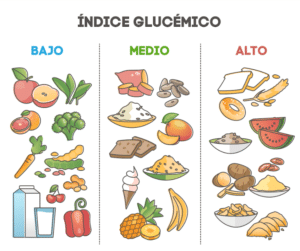
The glycemic index measures how quickly a food raises blood sugar levels, but it doesn’t take portion size into account.
That’s where glycemic load comes in.
It combines both speed and quantity, giving a more complete picture of how a food impacts your body.
Why does it matter?
Because two foods can have very different effects depending on how much you eat.
A food with a high glycemic index may not have a major impact if eaten in small amounts, while a “healthy” option can have a greater effect if consumed in excess.
It’s not black or white.
It’s about context.
The impact on your energy
How your body responds to carbohydrates directly affects your energy levels. High glycemic loads can cause rapid spikes followed by crashes, while more balanced choices help maintain steady energy throughout the day.
And that translates into how you feel.
It’s not about eliminating, but balancing
One of the most common mistakes is thinking certain foods must be completely avoided. In reality, it’s more effective to learn how to combine and moderate them.
Balancing portions and integrating foods properly into your routine is more sustainable.
How to apply it without overcomplicating
You don’t need to calculate everything you eat. Some simple strategies can help:
- Avoid large amounts of simple sugars in one meal
- Combine foods instead of eating them in isolation
- Prioritize less processed options
Small adjustments, real impact.
Ingredients that support balance
 Choosing more natural ingredients can make this easier. For example, options like Inka Golden by Intikisa, made with quinoa, tarwi, and cacao, can be part of a more balanced routine.
It’s not about cutting things out, it’s about choosing better.
Think in patterns, not single foods
Your nutrition isn’t defined by one food, but by the combination of choices you make throughout the day.
Glycemic load helps you understand that bigger picture without overcomplicating it.
Conclusion
Not all carbohydrates affect your body the same way.
Understanding glycemic load allows you to make smarter decisions without eliminating foods, but by learning how to balance them.
At Intikisa, we believe in practical and real nutrition. Incorporating options like Inka Golden can help you build a more stable and adaptable daily routine.
Because in the end…
it’s not about avoiding,
it’s about understanding and balancing.





 English
  Spanish