


You finish lunch or dinner and, even if you already feel full, it still feels like something is missing. Most of the time, that “something” is dessert, chocolate, or anything sweet.
And no, it’s not always about hunger.
That urge is often more connected to habits, brain responses, and learned patterns than you might think.
Your brain also looks for reward
Eating is not only a physical need, it also activates systems related to pleasure and satisfaction. After a meal, your brain may continue looking for a sense of “closure” or reward.
This involves a neurotransmitter known as dopamine, which is linked to reward and motivation pathways.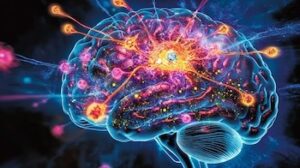
That’s why sweet cravings can appear even when you’re already physically full.
Habits are more powerful than you think
If you regularly eat something sweet after meals, your brain begins to expect it automatically.
Over time, it stops being a conscious decision and becomes a learned response.
It’s not always a need, it’s repetition.
Energy spikes also play a role
Meals high in simple sugars or lacking balance can cause rapid changes in energy levels. After that quick spike, your body may crave something sweet again to recreate the same feeling.
And that’s how the cycle continues.
Eating too fast can increase cravings
 When you eat too quickly, it becomes harder to recognize true fullness and satisfaction. As a result, your brain may continue searching for “something else” after the meal.
The eating experience matters too.
It’s not about eliminating sweets completely
One of the most common mistakes is believing you must completely avoid sweet foods. That often creates more anxiety and stronger cravings.
The key is learning how to balance and choose better options.
More mindful alternatives
Including ingredients with naturally pleasant flavors can help you enjoy sweetness without depending so much on ultra-processed products.
For example, preparations with Lúcuma Power by Intikisa can provide a naturally sweet flavor in smoothies, bowls, or homemade desserts, helping create more balanced alternatives.
It’s not restriction, it’s adaptation.
Your environment also influences cravings
Stress, fatigue, or distracted eating can also increase these cravings. Many times, your body isn’t looking for sugar only because of energy, but because of comfort or emotional reward.
That’s why understanding the context matters.
Small changes can make a big difference
Some simple actions may help:
- Eat more slowly
- Build more balanced meals
- Improve your sleep
- Reduce autopilot eating habits
You don’t need perfection, just more awareness.
Conclusion
That sweet craving after meals doesn’t happen randomly.
Behind it are habits, brain responses, and patterns your body has learned over time.
At Intikisa, we believe in practical and sustainable nutrition. Incorporating natural options like Lúcuma Power can help you enjoy sweet flavors in a more balanced and mindful way.
Because in the end…
it’s not about fighting your cravings,
it’s about understanding them better.





 English
  Spanish