

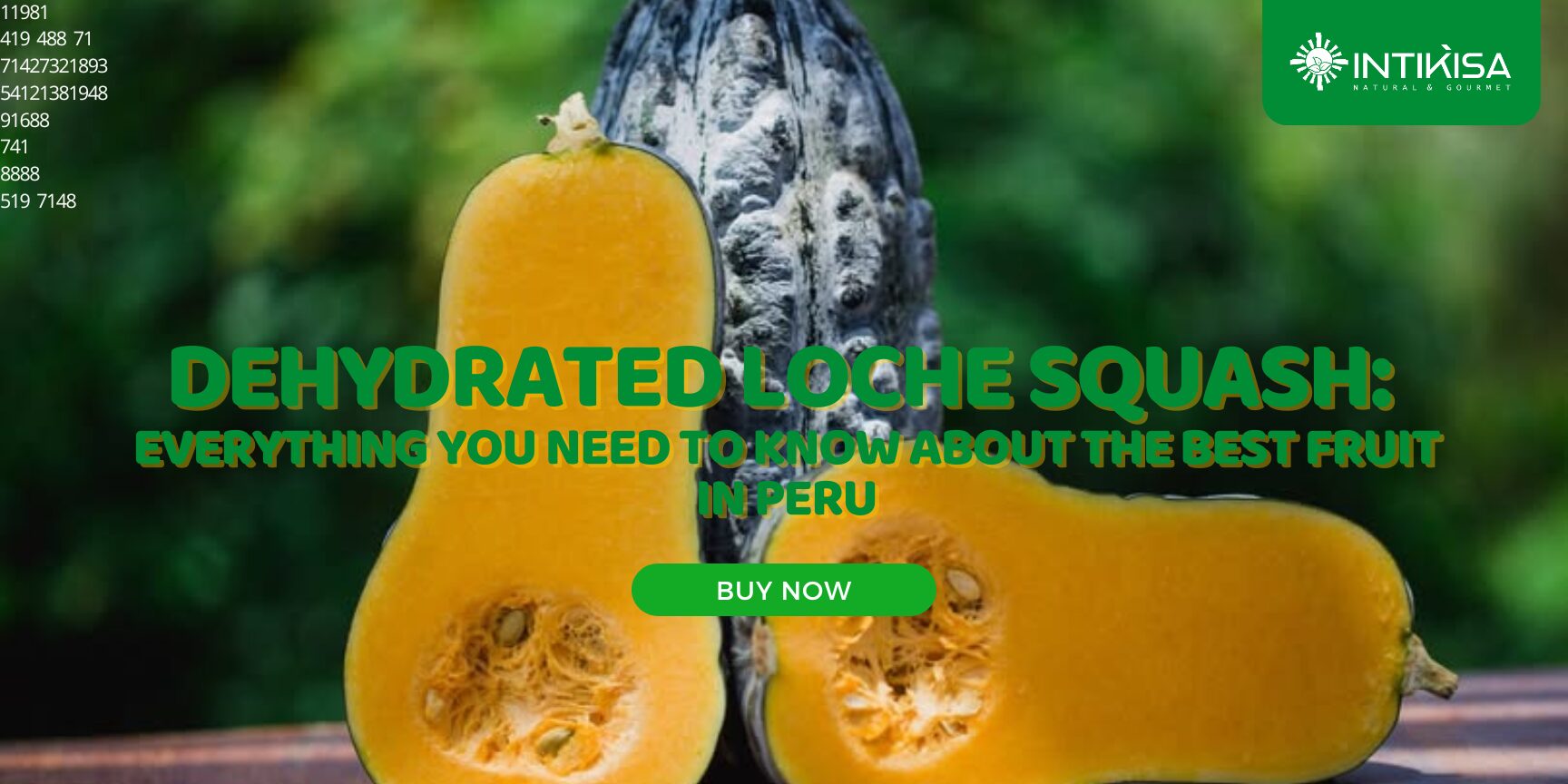
Loche squash—known in English as “loche squash”—is an ancient variety of squash native to the northern coast of Peru (mainly Lambayeque). It has been granted a Protected Designation of Origin (PDO) in 2010 for its cultural and historical value. Its name comes from the Quechua language (Muchik), and this squash was a staple food in the pre-Hispanic cuisine of northern Peru. Archaeologists have found loche squash remains dating back up to 10,000 years on the northern coast, and representations of this squash appear in Moche pottery from over 5,000 years ago.
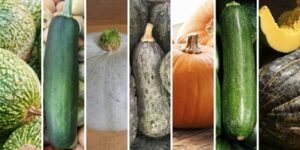
Description: The loche squash typically has dark green skin with ridges or warts and bright orange flesh. When cooked, its flesh goes from firm to very soft, almost melting to add creaminess to dishes. Its flavor is sweet and slightly nutty. In Peruvian cuisine, it is used grated (like a spice) or in chunks to add body and aroma to stews and soups.
 Nutritional Properties and Health Benefits
The loche squash is considered a superfood, rich in essential nutrients. It contains high levels of vitamin C and beta-carotene (provitamin A), as well as minerals such as calcium, phosphorus, and iron, in addition to protein and carbohydrates. Its high antioxidant content (vitamin C and beta-carotene) strengthens the immune system and helps prevent cell damage.
Among the main benefits attributed to the loche squash are:
- Gastric protection: It acts as a natural anti-inflammatory and protects the stomach lining.
- Diuretic effect: It promotes the elimination of retained fluids and toxins.
- Glucose regulation: It is traditionally recommended in diets for people with type 2 diabetes.
- Antioxidant action: Its combination of vitamin C and beta-carotene helps prevent certain cancers.
- Improves mood and sleep: The seeds of the loche squash contain tryptophan, an amino acid that elevates mood and promotes rest.
Furthermore, its fiber and water content makes it nutritious without being very high in calories. All of this explains why Peruvian media consider it a “superfood” with positive health effects.
 Loche vs. Butternut Squash and Other Squash
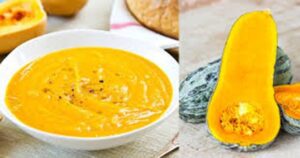
Although loche squash and butternut squash share orange flesh and a sweet flavor, they differ in origin and texture. Loche is native to Peru and has a protected designation of origin, while butternut squash comes from North America. When cooked, loche tends to become very soft (“silky”) and blends into dishes, while butternut squash retains a certain firmness. According to experts, loche flesh is “intensely orange, with a firm texture that becomes silky when cooked, and a sweet, slightly nutty flavor.”
Substitutes: When loche is unavailable, similar squashes are often used. For example, buttercup (or butternut) squash is sometimes used in recipes instead of loche. Other common substitutes include heirloom varieties such as macre squash or mixtures of orange squash, depending on availability. In general, any orange-fleshed squash (but free of tough fibers) can replace loche in homemade soups and stews.
 Traditional Recipes with Loche Squash
Loche squash is a star ingredient in typical dishes from northern Peru. Among them are:
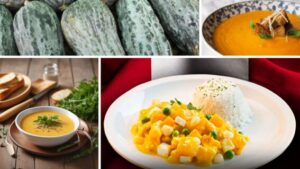
- Locro de Zapallo: A traditional thick soup from the northern coast of Peru that uses loche squash to thicken and flavor it.
- Arroz con Pato (Duck Rice): An emblematic dish from Lambayeque where loche squash is incorporated into green rice, providing color and a characteristic flavor.
- Seco de Cabrito (Goat Stew) and other northern stews: Loche squash is used in meat stews (goat, duck, pork) to add consistency and aroma.
- Loche Squash Bread and Desserts: In the north, loche squash bread and desserts such as loche rice pudding or loche manjarblanco (a type of dulce de leche) are prepared, taking advantage of its natural sweetness.
Home Preparation: Dehydrated loche squash (like the one from Intikisa) can be rehydrated in hot water for a few minutes and then added to the recipe (soups, creams, stews). In Peru, it’s also used grated with the skin on for easy incorporation into creams. The loche’s smooth texture allows for very creamy preparations without needing as much mashed potato.
Where to buy loche squash?
Since fresh loche squash is rare outside of Peru, the most practical option is to choose dehydrated or imported versions. In the United States, there are no large supermarket chains that offer fresh loche; it is usually found in Latin markets or online specialty stores. The Peruvian brand Intikisa sells 100% natural (preservative-free) dehydrated loche squash in packages (e.g., 85g) through e-commerce platforms. Similar products can be found on Amazon or other international sites.
For online searches: terms like “loche squash where to buy” or “loche squash for sale” usually lead to specialized online stores or to the Intikisa website itself. Loche squash seeds are also available at nurseries (e.g., Baker Creek Seeds sells seeds for cultivation). However, to consume it without planting it, the easiest way is to buy Intikisa’s dehydrated loche squash, which ships to the U.S. and guarantees organic quality. Some companies that specialize in superfoods import this product, but Intikisa is the most recognized brand in this niche.
Intikisa Dehydrated Loche: Top Recommendation
Intikisa focuses on offering 100% pure loche squash from Lambayeque. According to their specifications, this loche squash comes from organic farms in northern Peru and is dehydrated at low temperatures to preserve nutrients and flavor. It is a vegan food, 100% natural, and gluten-free.
Advantages of Intikisa Dehydrated Loche:
- Easy to use: Simply rehydrate with water and add it to soups or stews. You’ll save time without losing the essence of the loche.
- Intact nutrients: With no additives or preservatives, it provides the original vitamins and beta-carotene of the squash.
- Traditional flavor: It retains its intense orange color and characteristic sweet aroma, enriching any traditional Peruvian recipe.
Versatility: It blends well into creams, locros (a traditional Peruvian stew), rice dishes, and even homemade desserts. In short, Intikisa dehydrated loche squash is the most convenient way to enjoy this Peruvian superfood outside of Peru. If you search for “dehydrated loche squash” in online stores, Intikisa usually appears as the leading brand.
Summary of Options and Tips
- Where to Buy: Intikisa is available on Amazon/IBspot and Peruvian online stores. Few physical stores in the U.S. carry this product.
- Recipes: Loche squash cream soup, locro (a traditional Peruvian stew), duck with rice, northern Peruvian stews, and traditional desserts with loche squash.
- Substitutes: If loche squash is unavailable, you can use butternut squash, buttercup squash, or criollo squash (macre).
- Fresh Ingredients: Fresh loche squash is difficult to find in the U.S. except through occasional imports.
- Tips: Rehydrate dried loche squash for a few minutes before cooking. Use it grated to thicken creams or in chunks for stews.
Due to its nutritional properties and unique flavor, loche squash (especially in its dehydrated version from Intikisa) is a valuable ingredient for adding an authentic Peruvian touch to your cooking, providing health benefits. Sources: Historical and nutritional information extracted from Peruvian studies and news, and product descriptions from Intikisa





 Spanish
  English