


Discover the incredible benefits of combining toast with blueberry jam in your daily diet!

Toast and blueberry jam have some nutritional benefits and can be a healthy option for breakfast or a snack, as long as they are eaten in moderation and as part of a balanced diet. Some of the benefits of eating toast and blueberry jam are: Source of energy: Toasted bread and guaranteed jam, which are […]
BLUEBERRIES: importance and benefits
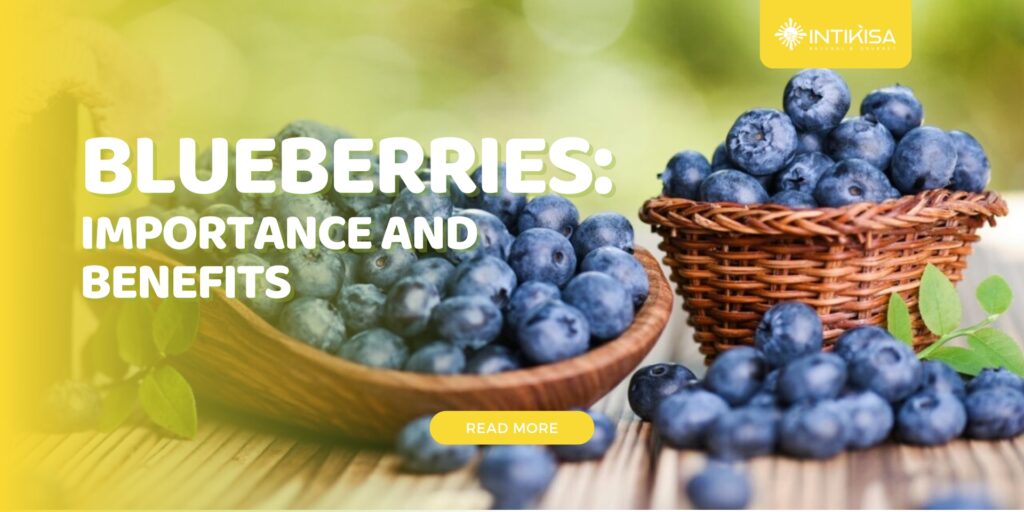
Importance: Blueberries not only make a great snack but are a healthy addition to most people’s diet. These small fruits pack a powerful antioxidant punch, help lower blood pressure, and improve insulin sensitivity. They are sweet, nutritious, and wildly popular. Often labeled a superfood, they are low in calories and incredibly good for you. They’re […]
Zinc Benefits
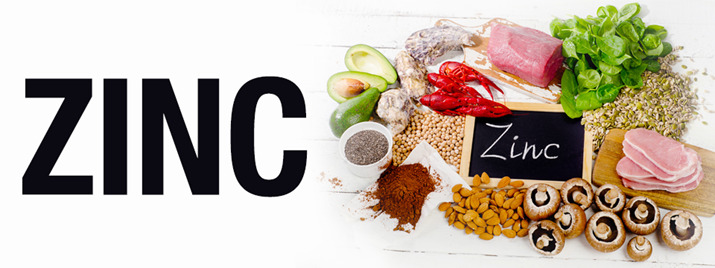
Why is it important to consume Zinc rich-foods? Zinc, a nutrient found throughout your body, helps your immune system and metabolism function. Zinc is also important to wound healing and your sense of taste and smell. With a varied diet, your body usually gets enough zinc. Food sources of zinc include chicken, red […]
NUTRIENTS THAT YOUR BODY NEEDS
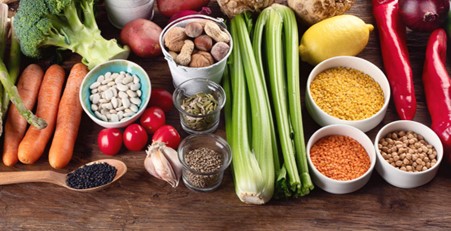
What are nutrients? Nutrients are substances required by the body to perform its basic functions. Nutrients must be obtained from our diet since the human body cannot make them. Nutrients have one or more of three basic functions: they provide energy, contribute to body structure, and/or regulate chemical processes in the body. These basic functions […]
What is anemia and how can we prevent it?
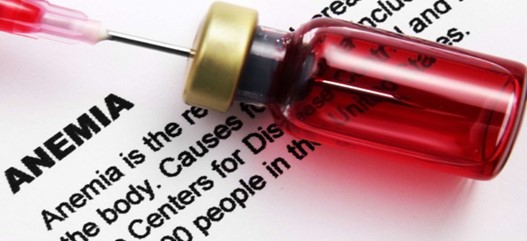
What is anemia and how can we prevent it? According to physicians, we can define anemia as a decrease in the red blood cell mass or hemoglobin content of the blood below the physiological needs established by the oxygen demand of the tissues. Furthermore, there are different types of anemia: Anemia due to B12 deficiency […]
Diabetes, everything you should know…

Diabetes is a disease that occurs when the level of glucose (also called blood sugar) in the blood becomes too high. Blood glucose is the main source of energy obtained from food. Insulin is a hormone produced by the pancreas that helps glucose from food to enter cells for energy. Sometimes the body doesn’t make enough insulin, or […]
BMI, how to calculate it?
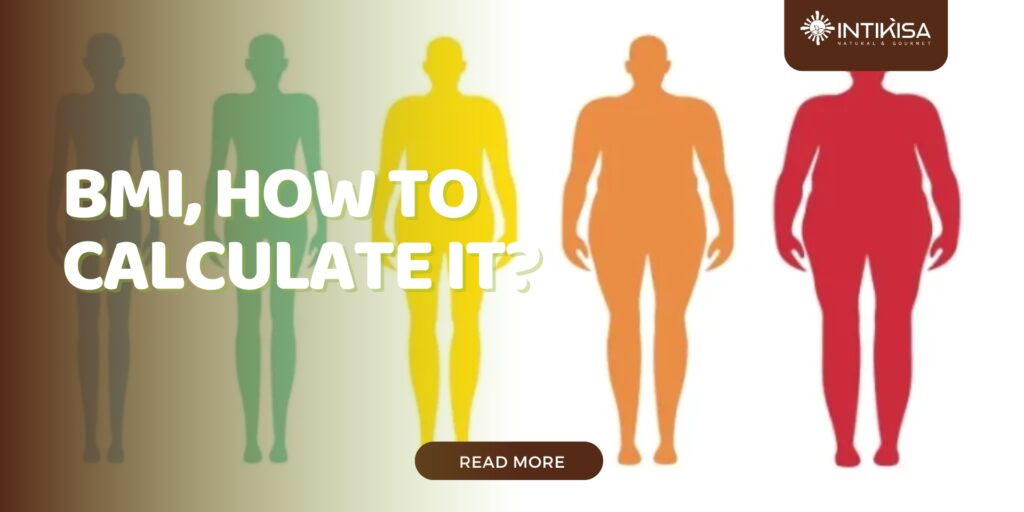
The Body Mass Index (BMI) is a mathematical relationship that relates a person’s mass to height, developed by the Belgian politician Adolphe Quettelet and is therefore also called the Quetelet index. BMI can also be calculated from a graph showing BMI as a function of mass and height using different categories of contour lines. BMI is […]
Anemia, everything you should know…
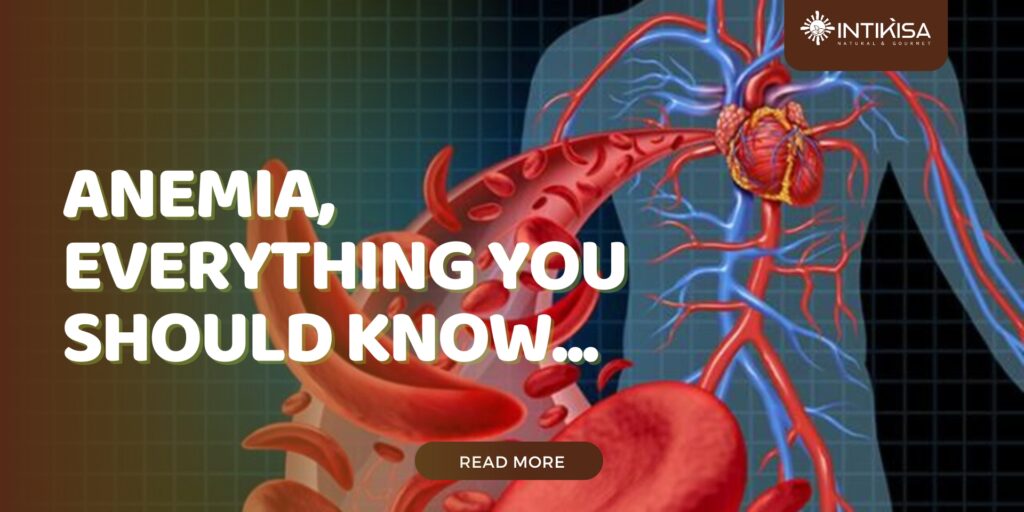
Anemia is when you don’t have enough healthy red blood cells to carry enough oxygen to your body’s tissues. Anemia, also known as low hemoglobin, can make you feel tired and weak. Anemia comes in many forms, each with its own cause. Anemia can be short-term or long-term and can range from mild to severe. In most cases, anemia […]
What is the Caloric Deficit and what is it for?
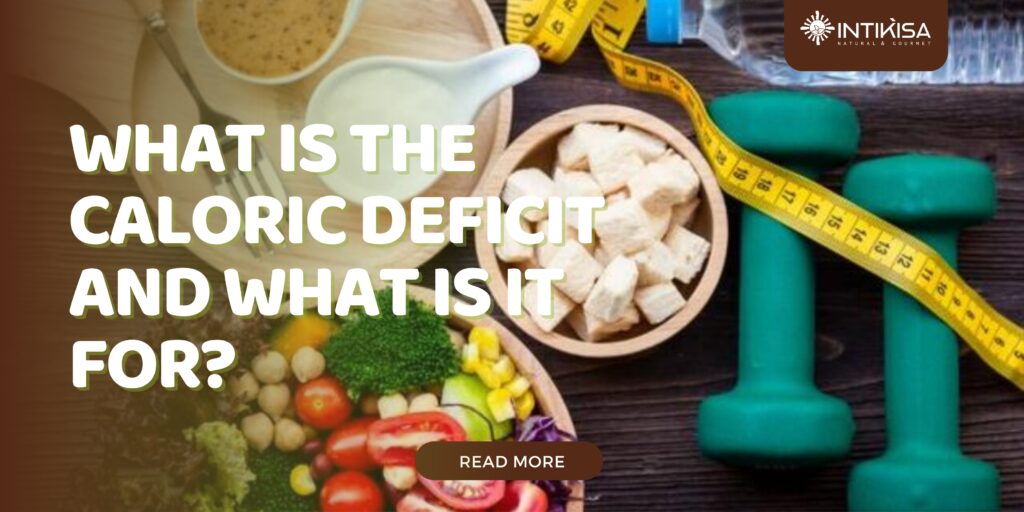
A caloric deficit is defined as the caloric deficit necessary to reduce and maintain a balanced body weight, that is, consuming more calories than are consumed to avoid gaining or even losing weight. First of all, it is important to know that nutritional needs, including macronutrients and calories, are determined by several factors, such as gender, […]
Carbohydrates, everything you should know….
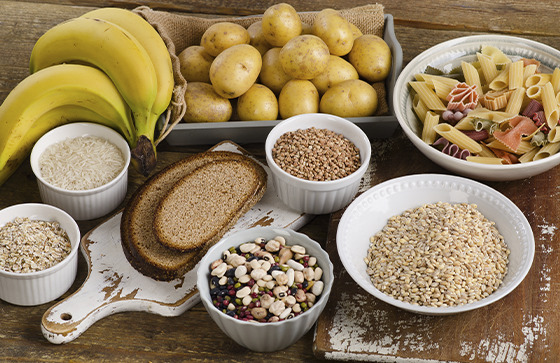
Carbohydrates are sugar molecules. Along with protein and fat, carbohydrates are one of the three most important nutrients found in food and drink. Your body breaks down carbohydrates into glucose. Glucose, or blood sugar, is the main source of energy for the body’s cells, tissues, and organs. Glucose can be used immediately or stored in the liver and […]

 Spanish
  English