



When we think about healthy eating, we often focus on vitamins, proteins, or minerals. However, there is a much simpler way to understand the nutritional value of foods: their color.
The natural colors found in foods do more than make meals visually appealing. They often indicate the presence of different beneficial compounds that contribute to overall nutrition. In fact, many nutrition experts recommend the idea of “eating the rainbow” as a simple way to increase nutrient diversity in the daily diet.
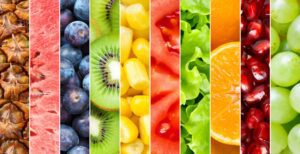
Color Nutrition: What the Color of Your Food Can Reveal About Its Nutrients
When we think about healthy eating, we often focus on vitamins, proteins, or minerals. However, there is a much simpler way to understand the nutritional value of foods: their color.
The natural colors found in foods do more than make meals visually appealing. They often indicate the presence of different beneficial compounds that contribute to overall nutrition. In fact, many nutrition experts recommend the idea of “eating the rainbow” as a simple way to increase nutrient diversity in the daily diet.
What “eating the rainbow” really means
Eating the rainbow refers to including foods with a wide range of natural colors in your meals. Each color is often associated with different plant compounds known as phytonutrients.
These naturally occurring compounds are found in fruits, vegetables, and other plant-based foods, and they play a role in supporting a balanced and varied diet.
A colorful plate often reflects a greater diversity of nutrients.
The role of natural pigments
The colors in foods come from natural pigments that serve important functions in plants. Some of the most recognized include carotenoids, anthocyanins, and flavonoids.
These compounds help plants protect themselves from environmental stress. When consumed as part of a balanced diet, they also contribute to the nutritional value of many foods.
Many foods that are known for their nutritional richness contain these natural pigments.

The value of naturally rich ingredients
Some foods stand out precisely because of their deep, natural color. Cacao, for example, has a distinctive dark tone that comes from natural compounds present in the cacao bean.
In products like Cacao Powder by Intikisa, cacao is offered in a versatile format that can easily be added to smoothies, warm beverages, oatmeal, or homemade recipes.
Including naturally rich ingredients like cacao can be a simple way to increase nutritional variety in everyday meals.
Variety as the foundation of balanced nutrition
A varied diet does more than prevent monotony in meals. It also increases the likelihood of providing the body with a wider range of vitamins, minerals, and beneficial compounds.
For this reason, many nutrition specialists emphasize not only the quantity of food we consume but also the diversity of the ingredients we choose.
A simple approach to eating better
Color nutrition offers an accessible way to improve daily eating habits without complicated rules. Instead of focusing only on numbers or calorie counts, it encourages people to pay attention to the natural diversity present in whole foods.
Sometimes improving nutrition can start with something as simple as adding more natural color to your plate.
Conclusion
Nature provides an incredible variety of colors in the foods we eat, and each of those colors can offer something different nutritionally. Incorporating a wide range of natural ingredients is a practical way to enrich daily nutrition.
At Intikisa, we believe that mindful nutrition can be simple and accessible. Integrating real ingredients like cacao into everyday routines is one way to add natural nutrients while enjoying the richness and diversity that nature provides.





 Spanish
  English